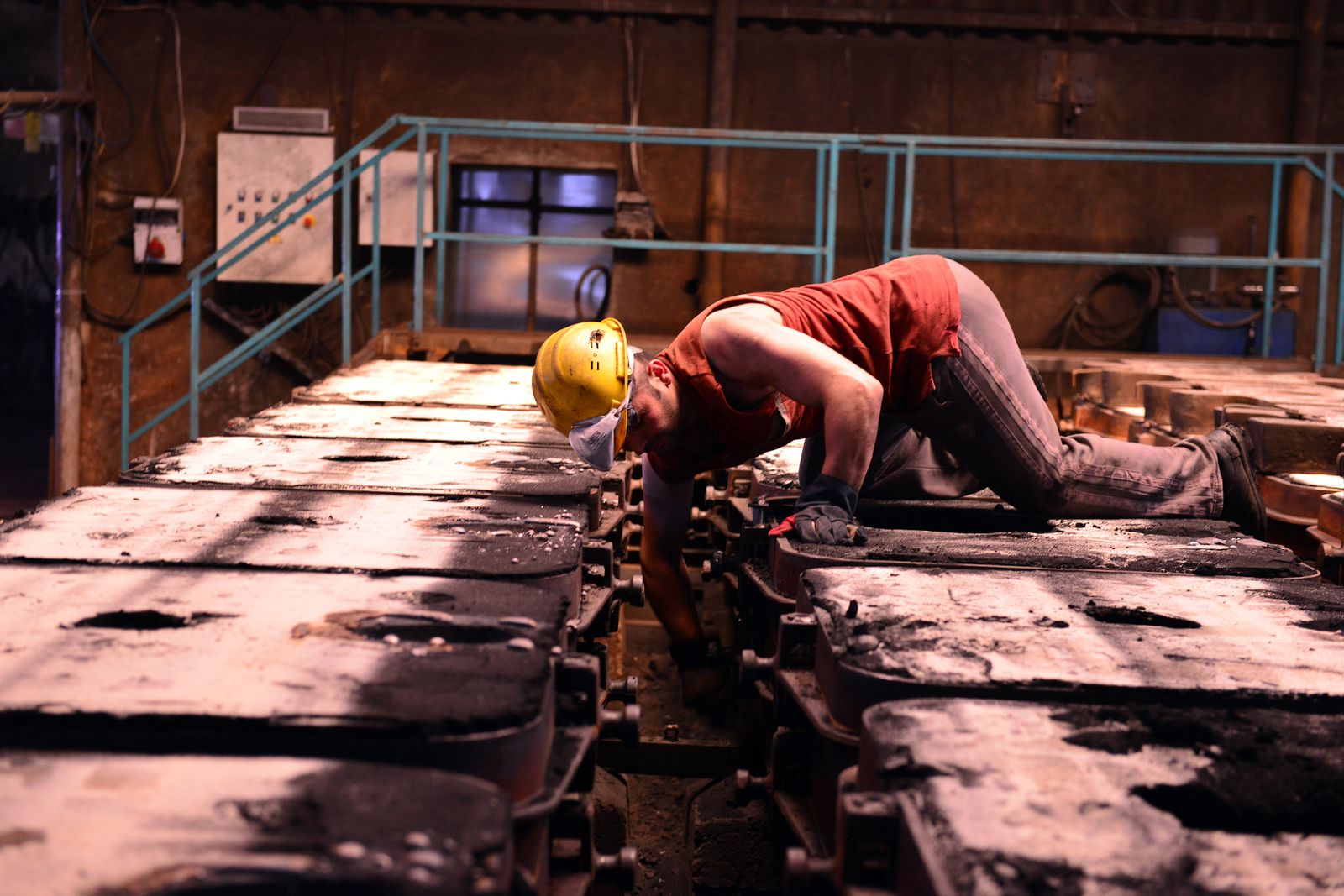
A Practical Safety Checklist for Artisanal Mining Sites
Safety problems in small mining operations usually come from routine shortcuts, not rare events. Teams skip pre-start checks, work in unstable areas, or run equipment without basic guards because production pressure feels urgent. The safest sites treat safety as a daily production tool, not a poster on a wall. Start each shift with a ten-minute briefing covering weather, active hazards, machine status, and emergency contacts. Confirm that supervisors assign responsibilities clearly so nobody assumes someone else has checked fuel lines, electrical cables, or trench stability.
The next step is physical control of the working area. Mark vehicle lanes, blasting zones, and restricted access points with visible tape, signs, and barriers. Keep walkways dry, lit, and free from ore piles that force people into traffic paths. Inspect ladders, platforms, and handrails before work begins. For machinery, lock out equipment before servicing, enforce hearing and eye protection near crushers, and verify that every operator is authorized for the machine they are using. If diesel fumes or dust builds up, stop and fix ventilation immediately instead of pushing through the shift.
Emergency readiness separates manageable incidents from disasters. Keep stocked first-aid kits at clearly marked points, and test radios at the start of every shift. Run monthly drills for fire, wall collapse, and medical evacuation so teams react quickly without confusion. Log every near miss, even if no one was injured, then review trends weekly to identify repeat hazards. When leaders visibly follow the same rules as crews, compliance improves fast. Safer operations produce steadier output, protect skilled workers, and build trust with regulators and local communities.
To translate strategy into measurable results, teams should adopt a thirty-day execution cycle with clear weekly targets and visible ownership. In week one, define baseline performance using a simple scorecard: throughput, recovery, downtime, safety incidents, and maintenance backlog. If these indicators are not measured consistently, improvement efforts become opinion-driven and hard to sustain. In week two, prioritize no more than three operational constraints and assign one accountable lead for each constraint. Typical priorities include unstable feed preparation, poor shift handovers, delayed spare-part availability, or unplanned shutdowns caused by routine inspection gaps. Keep actions specific: who will do what, by when, and how success will be confirmed.
In week three, run short daily reviews focused on execution quality rather than blame. Supervisors should verify whether agreed controls were actually implemented in the field, not just recorded on paper. Operators should report obstacles immediately, especially when procedures are unrealistic under site conditions. This feedback loop helps management remove bottlenecks before they become chronic losses. In week four, compare results against baseline and document what changed, what failed, and what should become standard practice. Improvements that deliver stable gains should be converted into written operating standards, included in training, and checked during routine audits.
Cross-functional coordination is critical across all four weeks. Production, maintenance, procurement, safety, and community teams must share one operating picture so decisions in one area do not create hidden losses in another. For example, cutting maintenance time to chase short-term tonnage often increases breakdown risk, while weak communication with nearby communities can disrupt haulage and shift schedules. Strong operators avoid these tradeoffs by planning in advance and reviewing risk before execution. When discipline, transparency, and accountability are maintained over repeated cycles, operations generally improve in a predictable way: fewer stoppages, safer conditions, stronger recovery, and better cost control. This is how technical knowledge becomes repeatable performance in real mining environments.